Review of Leaving Las Vegas (1995) by David A — 18 Apr 2010
(from The Watermark 01/20/96).
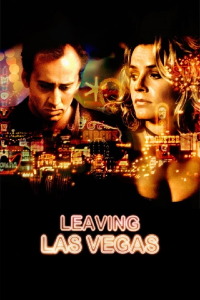
A touchingly twisted tale of unconditional love, Cage is a down and out alcoholic who has come to Vegas drink himself to death. Shue is a prostitute who befriends him. The two fall in love, and vow that she will not ask him to stop drinking, nor will he ask her to stop hooking. At times, it is difficult for Shue to adhere to the rules as she watches her man slip away from her, but they still manage a sweet friendship that is quite moving. Cage, whose limited talents nearly ruined Moonstruck and did ruin Peggy Sue Got Married, is actually quite good. He seems to work better with stranger material; thus, he's right at home here. He finds the humor, charm, and tenderness necessary to make his character sympathetic and inticing. Shue is cast completely against type: her sweet vulnerability makes her both appealing and more than the stereotypical hooker-with-a-heart-of-gold. The screenplay is a good balance of chaotic overindulgence, and quieter moments of romantic intensity with humor added just at the right points. Where the script weakens is with documentary-like footage of Shue discussing her feelings for Cage to a third party, presumably a therapist. It's hard to believe her character would go to therapy; it's really an overly-convenient device to get into her psyche; it is beneath the quality of the rest of the film. The music, including ballads by Sting, is appropriate, though sometimes repetitive.
With Leaving Las Vegas, alongside Dead Man Walking, 12 Monkeys and Seven, 1995 has brought an interesting film genre to light: the well-made masterpiece about a distasteful subject. What puts them a cut above the rest? They all establish strong themes, and support them clearly without heavy-handedness. No easy task.
This review of Leaving Las Vegas (1995) was written by David A on 18 Apr 2010.
Leaving Las Vegas has generally received very positive reviews.
Was this review helpful?