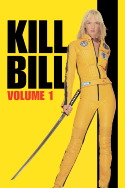
Review of Kill Bill: Vol. 1 (2003) by Brett C — 16 May 2017
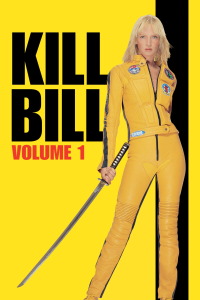
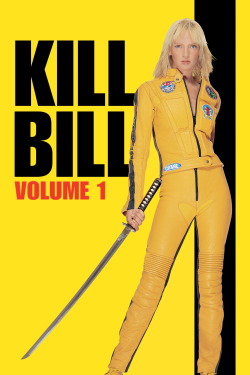
Kill Bill is an epic film that is split into two volumes, though one story, the two volumes cannot be more different in it's execution. Kill Bill, when I first watched it as a whole, was definitely entertaining but as time went on I have watched Tarantino's films over and over again, I started to lose that feeling that I had with this film and changed my perception of it. Kill Bill may be epic but it lacks something that keeps it from being his best work.
Kill Bill: Volume 1 is written by Quentin Tarantino and what he has written here is simply a revenge-action story. This approach is not a problem for me because it allows me to digest it simply and avoid ambiguity in it's storytelling. Jackie Brown was an example of Tarantino taking a conventional 3 act structure and making it his own. Kill Bill: Vol 1 follows that approach but making it much more epic and somewhat adventurous. The thing about Tarantino's writing here is that he has written something that is much more mainstream friendly than compared to his previous work, which in a way is great because I think that's what he really wants, is to exploit these dying genres and styles to his films for the mainstream audience. An area where I did not fully understand in Tarantino's decision is to include a full backstory of one O-Ren Ishii, though executed with such style and passion, as this villain doesn't prove to be more important than the others and because I have seen the next volume it makes this decision be more of a question mark as that volume focuses more of the backstory of The Bride. Tarantino has written a protagonist that we know very little about, yet we enjoy seeing her kick-ass and reaching closer to her goal. The film is full of dialogue, though not as punchy and indulgent as his previous films as the dialogue here is more reliant on it's attitude and delivery. The most enjoyable part of the film is truly the last half of the film where she is up against O-Ren Ishii, and honestly it is so interesting to see these two battle it out because of all the backstory and hype that is being given to us of O-Ren Ishii, it makes her seem like such a challenging opponent.
This is the 4th film by Quentin Tarantino and between the two volumes, I can definitely say that this first volume is much more fun and entertaining to watch. The reason this film is so appealing is that it is enforced with such style mainly influenced by the Asian cinema, particularly in the 70-80s. I don't mind that the film is stylish but it can only do so much. I am more disappointed with the film's screenplay rather than Tarantino's vision and direction. Kill Bill is the mark for Tarantino, when he started paying homages to his personal attachments in films, and he continues to do so in his latter films. The first three of his films has this technique in delaying action and giving us more of the characters in their most normal moments, but Kill Bill strays away from that by upping the violence and action almost to the point unbelievability. Also, the audience must lower their rational thinking when watching this as the film doesn't take itself too seriously, which is a reason why this is viewed over and over again by it's fans.
Kill Bill is also the start of Robert Richardson's collaboration with Tarantino as his cinematographer. Richardson has worked on prestigious films for most of his career, and worked with prestigious directors like Oliver Stone, Martin Scorsese, and Rob Reiner. Out of all of those directors, I think working with Tarantino allows him to experiment more with the camera and create something more unique. Kill Bill may not look like a unique film as the way it looks feels more like something you have seen before and that is the response that it's supposed to get from us. Kill Bill's photography pays tribute to the shots found on Sergio Leone's films, or the cliches that are found in Asian action films. Kill Bill's image looks colorful and at times being so saturated it loses the sense of naturalism.
Kill Bill is also the start of Tarantino relying on a film score in driving the musical side of the film. His previous films were full of soundtracks that go exquisitely well with the scene, it's the same outcome here but just replacing it with a score from RZA. The score for this film isn't cutting edge or the best I have heard from a Tarantino film but it is stylish enough that it goes with the director's vision. There are spots in the film where you can hear musical segments either made by Ennio Morricone or inspired by it.
This film is primarily driven by Uma Thurman's performance as The Bride and she does a great job, though this isn't my favorite role from her. Thurman has to play this character who is clearly emotionally and physically traumatized by Bill's actions but at the same time project a shade of a bad-ass assassin who is fueled by anger. I don't think anybody else could have accomplished this role physically. As the film doesn't take it's self seriously, it does hold Thurman back from showing her range in acting. Lucy Liu as O-Ren Ishii was great; she was fun, exciting, dangerous, and bitchin'. Liu stand out scene was when she was at the table with a group of Japanese gang leaders, as she managed to come off as frightening but at the same time give off a comedic under tone in her acting. The bulk of the villains are not seen until the second volume, so for the most part it pretty much covers both of these actresses.
Kill Bill is definitely an example of style over substance but it does well enough with the former that it doesn't lead off as such a terrible movie. Do I wish the script was better, yeah maybe it needed a bit more, but that isn't enough for me to dislike it. Give it a try but I suggest lowering one's expectations and rationality before heading in.
This review of Kill Bill: Vol. 1 (2003) was written by Brett C on 16 May 2017.
Kill Bill: Vol. 1 has generally received very positive reviews.
Was this review helpful?