Review of Jackie (2016) by Zane C — 23 Jan 2017
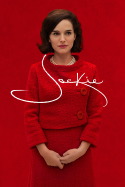
JACKIE is the story of Jackie Kennedy, the well-known First Lady and husband to President John F. Kennedy. The story follows its title character through the series of days following the assassination of her husband, told mainly through Jackie's own words in an interview with a reporter.
Biopics are churned out every year, and every year, like with any film, there are good ones and there are bad ones. These types of films are difficult to make. They usually beg the questions: Haven't we heard this before? What makes this interesting? Why do we care?
Well, JACKIE is one you should care about.
Pablo Larrain, the director, is able to draw the audience into its inner state of Mrs. Kennedy during a period in her life where everything is falling to pieces. From the murder, the new First Family, the moving, her children, the funeral, and countless other things; Jackie is in turmoil. But Jackie is no ordinary woman, yet she could have been made out to be one in this film. JACKIE might have wound up in the pile of melodramatic, one-beat, and bland biopics we see every Oscar season. And thank God Jackie Kennedy's personality was strong enough to crush that possibility into the ground, even long after her death.
Back to the director: Larrain is capable of emphasizing the tragedy of this woman's life, while also pairing it with her enormous sense of elegance she maintained throughout it. The quiet switch of camerawork from steady to handheld is an excellent way of showing the different states Jackie is in at the moment. During the interview scenes, the camera is constantly set. It never flows, shakes, or moves; showing how Jackie, in that moment, is determined to maintain her image with this reporter who is set on gaining personal insight or tragic emotion from her, but she refuses to budge; just like the camera. But even when the camera does turn over to the handheld style, it's held with grace and beauty, capturing the sunlight shining through the hair of a character, or the flow of the black veil covering the face of a grieving widow. One of my favorite moments in the film are the ones of the camera slowly trailing Jackie's back as she walks seemingly nowhere, even if she is in the White House, a graveyard, or a park. This highlights the fact that she does not know where she is going, what she is doing, or what she will do. This is the only life she has known, and it's being taken away; even while it was short, it was what made her Jackie. All of this is told simply through the directing and camerawork of Pablo Lorrain. It's simple, yet powerful; quiet, yet speaks volumes. You might not even notice the change if you weren't looking, which is reminiscent of Jackie herself, who was able to silently slip in and out of the costumes she wore for the people and for herself. The use of camerawork alone in this film is astounding.
While the camera was able to portray the complex personality of Jackie, there would be no point in doing that if the actress playing the title part wasn't up to par as well, and Natalie Portman is. We see slight glimpses on Portman's face that indicate discomfort or annoyance, but in less than a second, she is bright and cheery for the people who love her and her husband. While many may argue BLACK SWAN holds Portman's best performance, she wears the face of confidence yet self-conscious at the same exact moment with such talent in JACKIE that her role as Nina Sayers, who has an abrupt change from meek to malevolent (which is expertly acted as well rather than a simultaneous coexistence, pales in comparison. A woman like Jackie Kennedy had many shades to her, and Natalie Portman is able to distinguish them better than anyone else could. Her moments of weakness in the interview are effortlessly brushed aside in favor for a composed and hardened demeanor that's intent on continuing her husband's legacy. Natalie shows the battle Jackie is having within herself on whether to break down or to hold the image she so perfectly crafted; and Natalie does this without even saying a word.
And finally, the score. My God, Mica Levi has done it once again. Her score for UNDER THE SKIN is the most unsettling and horrifying pieces of music for a film you might ever hear. But does her score for JACKIE top that? Maybe not, but it still is excellent. Levi stays in the field of eerie and chilling, but in a much more classical and grand sense. Many of the songs start off as if they are about to soar into the heavens with beautiful and sweeping violins and harps; but they soon turn sour and dark. What once was extravagant for a brief moment is now tainted, much like the life Jackie had up until everything crumbled. Levi's score has a beautiful despair to it. It encapsulates the tone of the story and its lead, and that makes for a fantastic score.
The Kennedy's were the closest thing to modern American royalty. And the assassination of JFK led to the fall from grace that is so immaculately shown in JACKIE. The top-notch and nuanced lead performance, powerful directing, and haunting score all combine to depict the exquisite tragedy that Jackie Kennedy endured in 1963. JACKIE never feels sorry for itself, and it never asks its audience to feel sorry for it either; just like Mrs. Kennedy would have wanted it.
This review of Jackie (2016) was written by Zane C on 23 Jan 2017.
Jackie has generally received positive reviews.
Was this review helpful?