Review of Inland Empire (2006) by Rain I — 25 May 2017
Synopsis is futile.
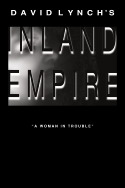
Yes, since Eraserhead David Lynch had been pushing the narrative and formal boundaries of film language, and even if he has classics under his belt like Blue Velvet and Mulholland Dr., or overlooked gems like Wild at Heart and Lost Highway, Inland Empire still feels as his cinematic testament. I'm not saying it is "better", just that it feels as the most pure representation of his artistic voice.
Inland Empire is a meditation on the medium itself, a deconstruction of identity and art. It is Lynch's Persona or 8 1/2 or The Holy Mountain, not only for the clear self-refleciton that permeates the film, but also because, in the vein of those classics, it is his most vulnerable and disjointed. Virtually indecipherable on a narrative level and overwhelming on a sensory level.
You can build academic works around the use of the digital format and its significance as a distancing element from the "cinematic feel", or about the correlation between his Rabbits characters and the polish sequences. Essays can be written about that enthralling credits sequence. Lynch's celebration of his art, brought to new dimension after his reveal that he is no longer making movies. But all of that would be making a disservice to Inland Empire. Trying to explain the unexplainable. Putting to paper the intangible.
Watching this film feels like the Club Silencio sequence in Mulholland Dr., when one is totally enthralled not by the fact that everything is an illusion, but for the fact that the illusion is so powerful the boundaries become indistinguishable. All that is left to do is to look through, all the way through, until you find yourself falling through the hole and into the shifting patterns you see on the other side.
This review of Inland Empire (2006) was written by Rain I on 25 May 2017.
Inland Empire has generally received positive reviews.
Was this review helpful?