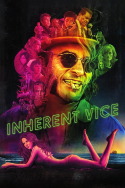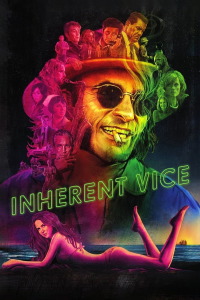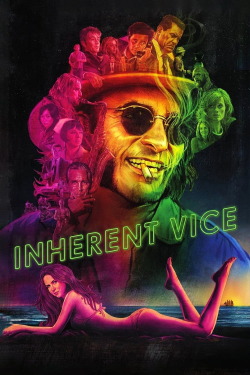
Review of Inherent Vice (2014) by Thomas E — 15 Jan 2015
What can I say about Inherent Vice (and Pynchon's novels in general) is that it leads us down the road we want to believe - or rather, one we can understand (in this case, a detective story) and makes it about something bigger.
Much bigger than the pages in your hand, much bigger than the film adaptation you're watching. Anderson's adaptation is not about the plethora of characters that walk in an out of the frame, but rather about paranoia and the changing dynamics of a generation.
A generation that tried so desperately to change the country, whether they were about free love or the war on drugs, and ultimately fell short because of their own demise. Inherent vice, by definition, means to deteriorate from within, rather than to be broken by external forces.
The film captured a space in time - late '60s / early '70s California - and united every quirky character through the universal feeling of paranoia, a way of living that has defined American life since Europeans beached North American soil way back when.
This review of Inherent Vice (2014) was written by Thomas E on 15 Jan 2015.
Inherent Vice has generally received positive reviews.
Was this review helpful?