Review of In the Mood for Love (2000) by Fazley A — 12 Jan 2011
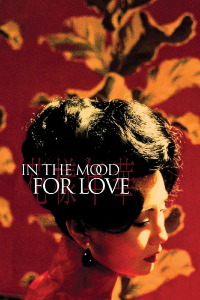
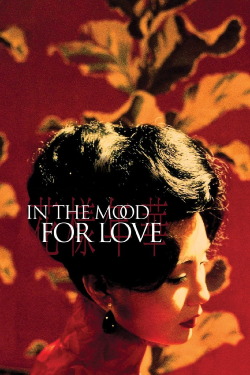
Korean filmmaker Wong Kar-Wai's (he behind the modern classics that are Chungking Express and Happy Together) In The Mood For Love is aptly titled. The film is moody to a tee, and all the better for it. What it doesn't seem to be in the mood for is action. You know, the Hollywood kind. Which is why, after nearly ten years, Kar-Wai's breathtaking tale of two adults struggling with the fact their respective spouses are having affairs, with one another, still resonates to this day as a microcosm of human nature and torment.
In The Mood For Love is a movie that's quietly erotic, reticent. It goes into all of those cliche spots that all love affairs go to, but avoids the actual action of an affair. It's a movie made up of 'almost' happenings. Every time you think you know where the story is going, or you think you've seen this movie before, it spins you on your head. Its luscious cinematography doesn't hurt either.
Wong sets his film in 1962 Hong Kong, in a decorous area populated by residents living very close together. Mrs. Chan (Maggie Cheung, in a performance of bruising grandeur) is typically alone in her rented room since her husband is constantly away for business. In the flat next door is Mr. Chow (the great Tony Leung) is similarly alone due to an always traveling wife. Then both Chan and Chow become aware both their spouses are having an affair together (the cheating couple is kept offscreen), bringing the two faithful, but lonely adults together.
As aforementioned, the film avoids going to the places Hollywood would take it to. Instead, with the help of Wong's favored cinematographer, Aussie Christopher Doyle, Chan and Chow's sort of affair is is manifested by their time spent together doing the most mundane of acts, like eating noodles or smoking cigarettes, actions that are deeply ogled by the camera. Sex is the elephant in the room, but thrusting and kissing aren't necessary to being out the erotic heat between the two. 'For us to do the same thing, they agree, 'would mean we are no better than they are. Ah, but do they in fact agree?
In The Mood For Love plays out like a modern-day Pinter drama, complete with jazzy music and unexplored emotions. It's a film where paths cross, but not intentions. The affect is palpably real, and heartbreaking. Indeed Wong has yet to make a movie that can stand up to this film, let alone surpass it. It has the atmospherics of Bergman's Scenes From A Marriage and the emotional tenderness of Lost In Translation (though it predates that movie by about three years).
This review of In the Mood for Love (2000) was written by Fazley A on 12 Jan 2011.
In the Mood for Love has generally received very positive reviews.
Was this review helpful?