Review of In Cold Blood (1967) by Nate W — 07 Jun 2010
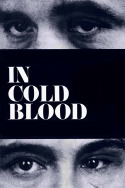
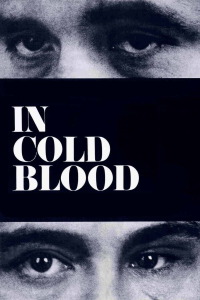
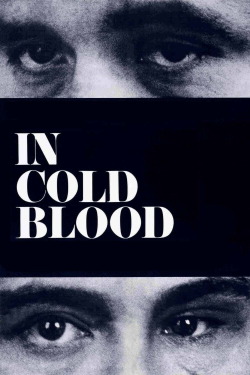
If any movie could be called a neo-noir, it's Richard Brooks' adaptation of Truman Capote's groundbreaking novel "In Cold Blood", based on the murder of the Clutter family in Kansas in 1959.
Like film noir, the movie has a dark visual look and even darker subject matter to go with it, but unlike noir, the mystery surrounding the crime is not "who?" or "what?", but "why?".
Few crime films have ever managed to make that question so overbearing and relevant has this one, and Brooks achieves it by keeping the focus on the two criminals â?? brought to life with astonishing humanity by Robert Blake and Scott Wilson â?? before and after their notorious act.
Instead of showing us the graphic staging of the murders early in the film when they would chronologically occur, Brooks instead cuts directly to the discovery of the bodies the morning after (as chilling a scene as you ever will see) and saves the killings as the climax, having allowed the audience to explore the psyches of the killers after committing the deed.
This simple but ingenious restructuring of the book's narrative flow may not make it any easier to accept the senselessness of such violence (nor should it), but it does bring us a bit closer to understanding that enigmatic question of "why?".
"In Cold Blood" is all the more hair-raising for its stark realism, shot in news reel black-and-white by the brilliant Conrad L. Hall.
This review of In Cold Blood (1967) was written by Nate W on 07 Jun 2010.
In Cold Blood has generally received very positive reviews.
Was this review helpful?