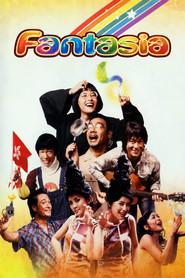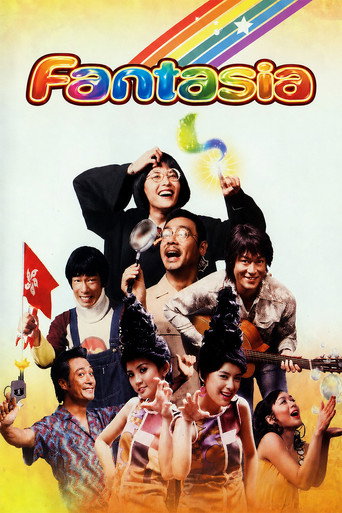
Review of Fantasia (2004) by Kenneth E — 02 Sep 2013
A masterful and gutsy undertaking in the world of animation, Fantasia serves as an experimental blend of visual storytelling and classical music without the need of dialogue. Not well-received in 1940, the film takes a laudable stab at the overly-conservative cinematic world at the time, with sequences depicting a godless evolution, hallucinatory waves of colors/shapes, topless (and sometimes nude) female figures, and a demon tossing souls into hell for his own amusement.
Much of the animation work, from the free-falling leaves and seed pods tended by nature fairies in Tchaikovsky's Nutcracker Suite to the dancing hippos and elephants in Ponchielli's Dance of the Hours, to the gothic grotesques in Night on Bald Mountain to the classic Greek creatures of Beethoven's Pastoral Symphony, was the inspiration for disney artists for decades to come; these sequences were strong influences on such Disney efforts including, but not limited to, the tranquil Bambi, the slapstick Dumbo, the flittering pixie in Peter Pan (and the later Tinkerbell direct-to-video-sequels,) the semi-gothic Adventures of Ichabod and Mr.
Toad, and, of course, Hercules. Unlike the later sequel Fantasia 2000, this original work does not rush the melodic performances, as many sequences are quite long. Young children may be bored. The animated sequences match the music SO well, it is hard to imagine that Walt Disney's visual narrative was not the original intention of composers.
An example would be Igor Stravinsky's Rites of Spring, as each note, each drumbeat is matched through dinosaurs' snapping jaws and swinging tails. I can imagine this song no other way.
This review of Fantasia (2004) was written by Kenneth E on 02 Sep 2013.
Fantasia has generally received positive reviews.
Was this review helpful?