Review of Dumbo (1941) by Kristy P — 05 Apr 2010
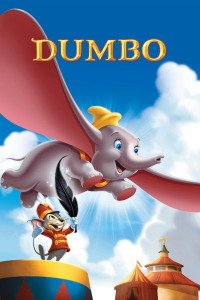
Simple and short (1 hour and 4 minutes, shorter than most Disney animated films), Dumbo sometimes feels more like an extended animated feature than a full-length film. The bright Technicolor animation focuses on its main characters (Dumbo and his fast-talking mentor Timothy Q. Mouse, both of whom are wonderfully drawn), but the animation does skimp on the background and supporting characters often and the subtle Disney effects used on the likes of Pinocchio and Fantasia are largely not evident. At the time (1941), animation was indeed primitive technology, something often forgotten, and Dumbo was also produced on the cheap and it shows. Dumbo the title character doesn't speak, but he is animated so well by the great Bill Tytla that it makes him incredibly endearing, as what he is feeling is so evident. And Timothy Q. Mouse is wonderfully voiced by Edward Brophy, a man who usually played gangsters in early cinematic works. I would have loved to see Dumbo get an extra 20 minutes added to its running time, but all the same, it's still an exceedingly charming classic 1940s work by Disney Animation, one of my favorite decades for the company.
I love the little touches in Dumbo - one of the great beginnings of an animated film (the delightful "Look Out for Mr. Stork" sequence); train Casey Junior's short yet undeniably catchy song and travel on the track; Dumbo and Timothy getting drunk and treating us to that wonderfully bizarre "Pink Elephants on Parade" masterpiece; the loving and tender relationship between Dumbo and his mother that might qualify as the first real Disney tear-jerker (it doesn't get much sadder than "Baby Mine"). Dumbo might not be one of my favorite Disney animations, but it's still strong and holds up today. A success at the box office, Dumbo was planned for a December 1941 Time Magazine cover - which, of course, was scrapped due to the Pearl Harbor bombings by the Japanese.
Also, a common criticism I've heard in the past is that Dumbo negatively portrays African-Americans with the "Song of the Roustabouts" (the men working do not have visible faces, but most have dark skin) and the more famous "When I See an Elephant Fly" crow sequence. I completely disagree, as the songs do not utilize any of the common stereotypes that frequent animation. Tastefully done, the crows are actually sympathetic, likeable, and intelligent characters who merely have the voices and dialect of African-American men. If you want hateful and disgustingly racist animation, check out the obscenely crude Warner Bros. work from those days - particularly Coal Black and de Sebben Dwarfs. You'll see what I mean about the difference between Dumbo and the '40s WB cartoons - one is mean-spirited and the other isn't.
This review of Dumbo (1941) was written by Kristy P on 05 Apr 2010.
Dumbo has generally received very positive reviews.
Was this review helpful?