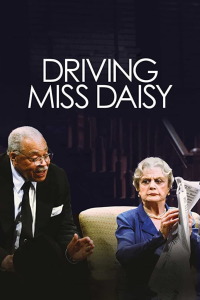
Review of Driving Miss Daisy (2015) by Rachel L — 25 Sep 2011
-constant tension because of juxtaposition between scenes of emotional intimacy (ie: Hoke driving out to see her in the snow and bringing her coffee) and the class segregation that exists in their home (eating separately).
VS at the end of the movie, when he not only eats w/ her, but feeds her (stark contrast to her stubborn indep. in the beginning of the movie).
- tension because even though the similarity in situation may be clear to Hoke, Miss Daisy either doesn't see it or refuses to identify herself with him (despite her protests, actually prejudiced?).
- naive about prejudice/discrimination?
Ie: when the temple gets bombed and she asks, "Who would do such a thing?" and Hoke says, "The same people who always do it.".
- Hoke shares about a playmate's father getting lynched, she says, "Why are you telling me this?".
- ironically: only when she starts losing her mind that she begins to see with clarity: "You're my best friend, Hoke.".
This review of Driving Miss Daisy (2015) was written by Rachel L on 25 Sep 2011.
Driving Miss Daisy has generally received very positive reviews.
Was this review helpful?