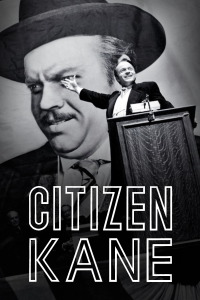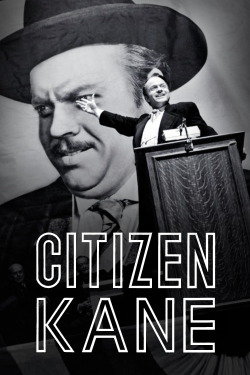
Review of Citizen Kane (1941) by Thomas B — 30 Jan 2015
One of the biggest problems with Citizen Kane is its lofty position on AFI's top movies of all time. Sitting at numero uno means that when you watch it, the film is studied, scrutinized, viewed more as a textbook than what it really is, which is a beautifully crafted balance of script, acting and direction with a simple message beautifully realised through the story of Charles Foster Kane. When viewed through the context of the era, Citizen Kane broke more ground than any number of films put together. With its "topsy-turvy" storyline which jumps from interview to flashback and from time zone to time zone within Charlie's life, Citizen Kane was a revelation. But watched through the present day's filter, Citizen may seem to have lost its groundbreaking quallity, it still remains as current and relevant as it was when it was made, possibly even more so in today's environment. This stems from its enduring themes of true happiness and what we wish for most when we lose everything else. .
The film well and truly belongs to Orson Welles. For those who haven't heard of the film titan, Welles was a young up-and-comer in the film industry who seemed deteremined to shake up the system from its foundations. Not only this but he possessed an ungodly talent with film, ludicrously gifted in acting, writing and directing. He did all of this in Citizen Kane and produced the film as well, but the strain which must have existed is never shown when he's onscreen, bringing a passionate, nuanced and larger-than-life performance to his intricately complex lead character, Charlie. He manages to be completely magnetic and effortlessly charming throughout much of the film as well growing old and bitter when the role calls for it. It is an incredible performance, ingrained in reality while being big and bold with a booming voice and an eratic though domineering nature. He's unafraid to make his character unlikeable in many ways, counting on the audience's initial connection with the character to ferry them through the hard times. Welles is of course surrounded by an ensemble of brilliant actors with equally layered performances in their own right. Even though he steals the show, Welles' performance would mean very little without the selfless performances of those around him. The characters they embody are still affected long after Kane's opening death scene, showing the immense impact Kane had upon the lot of them, and it's a credit to the actors that this impact is made so obvious without being explicitly reffered to. .
Welles' direction in the film is fantastic. Despite being without the bells and whistles which todays' filmmakers take for granted, Welles manages to capture the imagination of his audience with every frame, whether he's employing his striking sense of symbolism or positioning his audience to whatever frame of mind he wants. Watching movies today it's easy to see the impact that Welles has had upon film, echoing over seventy years. Scorsese's bag of tricks would be severely depleted without Welles as a starting point and Spielberg's understanding of his audience would never be as fully realised without Orson's legacy. Despite slipping into depression and withdrawing almost entirely from the world of film, Welles' impact will always be felt in film and it's exemplified by this, his most complete and realised work. .
Welles' script is as packed with symbolism as his direction, but it's never bogged down so entirely in being edgy and profound that it forgets to be funny and, most importantly, real. The entire work is steeped in reality, whether it's an odd turn of phrase or a slight stumble in the delivery of a phrase, Kane is not so stylised that it loses touch with reality. This in turn allows audiences to connect more fully with the characters onscreen, making them real with real problems and real mannerisms, despite their ostentatious and larger-than-life surroundings at times. This especially helps with Charlie's character, turning him from a caricature to someone the audience can connect with. It's fast-paced and unfathomably clever as well as being profound when it wants to be and depressingly real when it needs to be. .
Kane is a towering achievement, in conception, in execution and in its impact throughout the world of film. Despite being begrudgingly awarded one Oscar by the Academy of the day, Kane continues to be an enduring classic and a source of inspiration for filmmakers everywhere. But despite its intimidating and sometimes damning reputation of being the world's greatest film, when watched for what it is, it's revealed to be playful, real and intricate character study of one man and his impact on those around him, beautifully realised in performances, direction and script alike. .
Defining Scene: .
Kane admonishes Gettys from the staircase in the middle of the night in the scene where it all went wrong.
This review of Citizen Kane (1941) was written by Thomas B on 30 Jan 2015.
Citizen Kane has generally received very positive reviews.
Was this review helpful?