Review of Chungking Express (1994) by Daniella Z — 02 May 2010
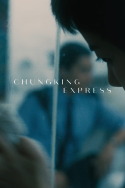
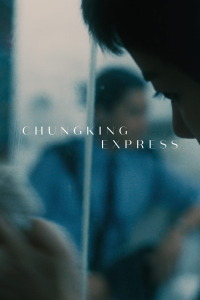
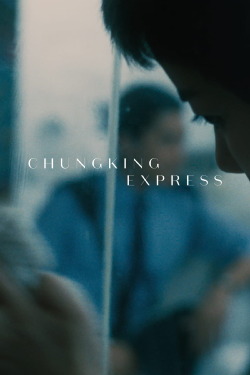
Wong Kar Wai's blast of kinetic energy catapulted him into the top ranks of world filmmakers, thanks in no small part to his symbiotic relationship with cinematographer Christopher Doyle, who shoots Wong's Hong Kong Chungking Mansion like a dizzy melting pot of diversity, neon, and loneliness, where communication and connection are fleeting.
In the first story, young broken-hearted cop Takeshi Kaneshiro bumps into drug smuggler Brigitte Lin (in a memorable blonde wig) and almost connect, while in story B, the richer and more romantic, counter girl Faye Wong falls for street cop Tony Leung, breaking into his apartment and subtly making her influence known while he's at lunch, in a chance that maybe psychological and minor physical change will lead him to love.
What Wong is suggesting is that in a metropolis of millions, where the person serving your food or making your clothes doesn't speak your same language, emotional connection happens as much by chance as it does by exhausting search, and what we're left with is two possibilities in which none of the four participants quite knows how to take the next step towards happiness.
In his follow up, "Fallen Angels", there isn't much room for any kind of happiness, in the same Hong Kong milieu, but at least here there's still a dream, echoed constantly, and memorably, by "California Dreamin'", Faye Wong's endlessly catchy theme song.
This review of Chungking Express (1994) was written by Daniella Z on 02 May 2010.
Chungking Express has generally received very positive reviews.
Was this review helpful?