Review of Cave of Forgotten Dreams (2010) by Jennifer F — 28 Apr 2011
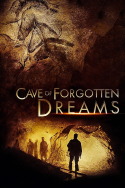
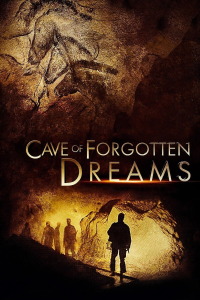
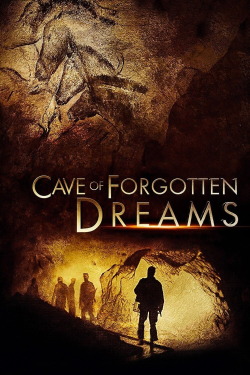
Werner Herzog's "Cave of Forgotten Dreams" is the best argument yet for the utility of 3D film, particularly in the realm of you-are-there documentaries. All of the calcified contours and inky depths of the Chauvet Cave in France - home to the oldest known cave paintings on planet Earth - are rendered in striking, immediate detail like the world's most rugged pop-up book. It could even be considered a form of distance learning. Geologists, anthropologists, and an "experimental archaeologist" (with pelt and bone flute in tow) explain the major superlatives of the cave: it is very old, it is very fragile, and it is very important to understanding how "humanity" came to be, well, human. Here we note that it never struck our Neanderthal cousins to paint animals on rock walls in the dark.
But I love that Herzog will pull back for several minutes at a time and let the paintings do the talking. The film leans on this technique in the absence of the compelling characters on the level of the roughneck Antarctic scientists of "Encounters at the End of the World," let alone Timothy Treadwell (the infamous "Grizzly Man"). Academic dryness and skepticism (and, let's face it, pure geekiness) prevents most of the scientists from playing the metaphysical game. Not that Herzog doesn't try to goose things along with his deadpan profundity and bluntly psychological interviews. One archaeologist humorously (and quasi-successfully) scrambles for ideas during a monologue about the painters and their techniques when Herzog interjects, "But did they cry at night?".
Despite the director's best efforts, "Cave of Forgotten Dreams" feels too detached. It's more than a bit odd and often compelling to watch academic professionals deal with the stygian philosopher in their midst. However, many of the introspective buttons in Herzog's narration end up more like painfully sincere versions of Jack Handey's Deep Thoughts - especially a clumsy postscript about albino alligators, of all things. It's hard to fault him for being enthusiastic, though. Chauvet Cave is a sacred abyss where man sought to confront and comprehend the natural environment that sometimes confounded him. Even if Herzog seems too obtuse in pursuing similar goals, at least we know he's found a simpatico subject after all.
This review of Cave of Forgotten Dreams (2010) was written by Jennifer F on 28 Apr 2011.
Cave of Forgotten Dreams has generally received positive reviews.
Was this review helpful?