Review of Born into Brothels: Calcutta's Red Light Kids (2004) by Zack M — 23 Sep 2011
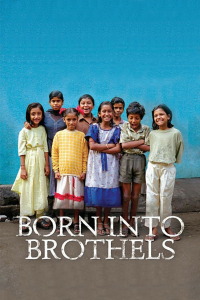
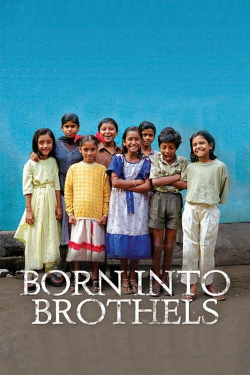
Born Into Brothels is a documentary from 2004, and it was directed by Zana Briski and Ross Kauffman. In 2004, it was nominated and won an Oscar for best documentary. It follows the two documentarians on their journey through Sonagchi, Calcutta. They bring the audience into the red light district there, and expose the seedy culture which lives there. Briski and Kauffman befriend a group of prostitutes and children, and have them help in bringing the more horrific side of this country to the screen. Zana Briski is also the narrator throughout the film who interviews the children, and is attempting to find a way to get these kids out of the brothels and into boarding school. Most of the kids will one day grow up to join their mothers profession as prostitutes. At times this is a hard film to watch, as the filmmakers bare witness to the more heartbreaking sides of poverty and create a genuine love in the audience toward these people. They are real people to us, and we join them in their hardships, and also share with them in their joy.
The film has a great opening shot. It simply shows a lightbulb, surrounded by darkness, with moths being drawn toward this one illuminating light. In that one scene the entire theme for the movie is captured. Throughout the rest of the film you watch some heinous events play out, and yet there is always a sense of hope. It's not necessarily a hope in a tangible thing, but there's always a hope in the fact that there is more to life than what these people are going through. This most explicitly shows itself in the photos that the kids take. The directors gave a handful of the children cameras to take pictures of anything they want. They live in this depraved world, and it would be very easy to simply photograph the dark sides of their lives, but instead they choose to photograph the beauty around them. In any other context these photos would be considered beautiful scenery, but knowing the background to the pictures there's an undertone of tragedy amidst this beauty. It's a very human, and beautiful, metaphor. They may be beaten down and outcast in many ways, but wether its in the comfort of each other, or the longing for a better tomorrow, these people always find a way to keep on trying. That was the theme that hit me the hardest while watching the film; the fact that these people have hardly anything, and yet the continue to hope and continue to find a reason to live everyday. It's a theme and a story which puts our western lives into perspective and creates a paradoxical mix of sorrow and joy.
Another scene, about half way through the film, gives incredible insight into these children's lives. The scene involves a road trip for the children to a nearby beach. This may not seem like a profound place to learn more about these children, but it's one of the most affecting parts of the film. The joy that they get from simply chasing waves on the beach is both heartbreaking and uplifting. It was much more than simply going to the beach for these kids, it was a chance to leave that corrupting society that they live in. Even if it was to a location a mere 30 minutes away, that 30 minutes of distance lifted a very recognizable burden that they live under. The editing is sharp and impacting throughout the entire film, but particularly in this scene. It blends video that presents the excitement in the kids faces and also edits in the pictures that they take. This combination is noticeable because it puts you inside these kids eyes, and allows you to see the happiness they have from a first-person perspective. That's really what this film accomplishes to do from the very beginning. It puts you in the shoes of these children by using the photos and the silent, and more subtle, shots of their lives. You begin understanding these children even though most who will watch this film have never had to deal with the situations these children are in.
It highlights the innocence of childhood, and the contrast of the evil which is in the world, in one of the most threatening environments imaginable. In the end of the film, everything doesn't magically fall into place. There isn't a "happily ever after" type conclusion for all of the children, and yet there is still that hope that is so greatly shown in that opening shot. There is a happy ending for a few of the children, but it doesn't diminish the fact that there still are children left to live in this environment. This creates a documentary that is vivid and personal. The audience is given a taste of what can happen for these kids if they have someone to fight on their behalf. It's a satisfying ending bringing it full circle, and expressing the fact that everyday is a struggle for these people, and yet hope can still prevail.
This review of Born into Brothels: Calcutta's Red Light Kids (2004) was written by Zack M on 23 Sep 2011.
Born into Brothels: Calcutta's Red Light Kids has generally received very positive reviews.
Was this review helpful?