Review of Born into Brothels: Calcutta's Red Light Kids (2004) by Filipeneto — 11 Jul 2020
I don't know many countries where the difference between rich and poor is as stark and hard to accept as it is in India. The facts do not lie: it is the country that, alone, concentrates a substantial part of the gold and precious stones from all over the world. But all these riches are only in possession of a tiny percentage of the population, or have been accumulated within monumental religious temples. Its a country where the most absolute misery exists in broad daylight and with an unarmed eye... or, in the words of one of the children who gives life to this documentary, where shoes are stowed next to the remains of rotten food.
Despite everything, I don't know many people who are happier and more positive than the Indians. Even in the toughest of situations, Indians can see the good side of things, smile, sing and be happy. They're a people used to the hardest work without feeling less relevant in the world because of that. And they are a people with historical roots deeply linked to my people, the Portuguese. The Portuguese presence in India was not always easy or well accepted. But we, the Portuguese, have been there for five centuries. We brought with us more than spices or gold, we brought characteristics and cultural habits that Indian immigrants know to recognize as theirs in our country today. And we also made our mark in India too.
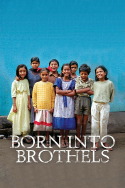
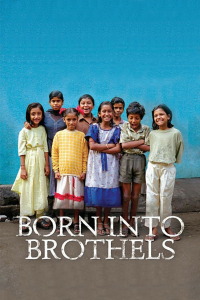
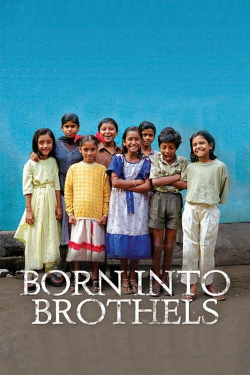
This incredible documentary shows the toughness of the poorest in one of the largest and most chaotic cities in India. More importantly, it shows the way in which prostitution, despite being illegal and frowned upon by society, is done almost shamelessly and lives side by side with the childhood of many children, daughters and sometimes granddaughters of prostitutes. Indifferent to what is happening there, and to any moral issue, those children, especially girls, know that they will almost certainly have the same fate and end up doing exactly the same as their mothers, in a vicious cycle that is hard to get out of.
Zana Briski and Ross Kauffman tried to be the passport out of that cycle for a group of children and used art and photography to achieve this. By giving cameras and film to the children, they realized the beauty of many of their photos and the way in which these photos also testify to the harshness and squalor of those people's lives. The bonds of friendship and affection are formed, and we quickly see Zana trying everything to give those children an opportunity to study, to leave that place with the consent of their mothers and grandparents, to try to be something more in their lives. But the fact is that it will be an almost permanent struggle to escape the vicious cycle that, in India, spares no one and gives very few the chance to be somebody in life.
Intense, sometimes shocking, this documentary is relevant and quite sad. I wonder what happened to the children who gave it life, now that they spent almost twenty years on this documentary, which won a well-deserved Oscar. Their lives, I am sure, should provide material for another documentary.
This review of Born into Brothels: Calcutta's Red Light Kids (2004) was written by Filipeneto on 11 Jul 2020.
Born into Brothels: Calcutta's Red Light Kids has generally received very positive reviews.
Was this review helpful?