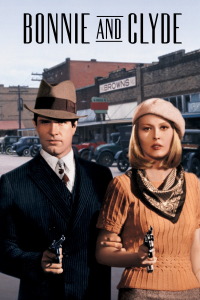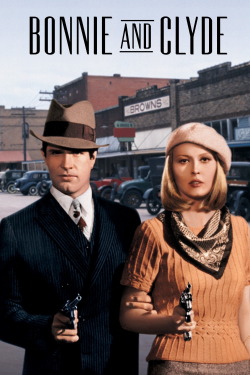
Review of Bonnie and Clyde (1967) by Ivan D — 04 May 2010
Highly controversial in its time, but also extremely influential. It gave way for stylized violence in cinema, and gave an astonishing impact on filmmaking, notably on Peckinpah's works and the first Godfather film. Pictures dealing with criminal lifestyle prior to "Bonnie and Clyde" always uses the "crime does not pay" theme. But this film differed and gave a new dimension to criminal figures, creating a portrait out of them that is human and worthy of empathizing, not just stock characters waiting their "by-the-book" "those who live by the sword, dies by the sword" deaths. Films that satirize media by treating criminals as folk heroes are nothing but commonplace today, "Bonnie and Clyde" is one of the first to use such ingredients, not with the intention to criticize it, but used to contemplate the criminals' reactions to such(In this case, newspapers). They've become famous, they're all over the news, but all of this gave the troupe more of a sense of thrill than fear, for the first time in their lives, they've become somebody. "Bonnie and Clyde" is not just a film that simply romanticize outlaws, and though the film itself did have the style and sensationalism, it also tackles the thought of redemption in Bonnie and Clyde's minds, their decision to leave the life of crime, and the realization of it being all too late.
Flixster question: Why no picture?
This review of Bonnie and Clyde (1967) was written by Ivan D on 04 May 2010.
Bonnie and Clyde has generally received very positive reviews.
Was this review helpful?