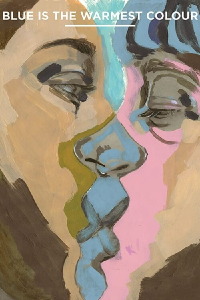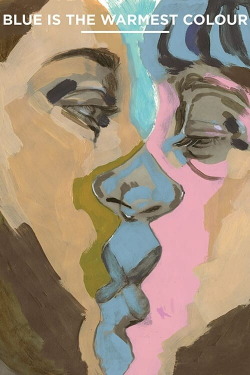
Review of Blue Is the Warmest Color (2013) by Adam P — 07 Dec 2013
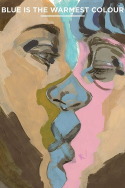
Blue is the Warmest Color is an instant cinematic classic; a film that is so well conceived and so dedicated to its premise that it's hard to imagine a more important film arriving out of international cinema since perhaps The Lives of Others maybe; certainly since Waltz With Bashir. The film, a coming of age story about a young woman finding herself thrown into the passions of young love with a somewhat older woman, is the most honest portrait of young love and youth heartbreak since Blue Valentine.
The movie is really not anything more than a journey of sexual discovery and an examination of the excitements and pressures of young love. Its secondary plot lines are minimal; inhabiting the fine arts and literature scenes of France almost like a poor man's Midnight in Paris. These academic sidebars serve to frame our understandings about tragedy, predestination, self-destructive behavior, the sacred and the profane, self-awareness, the pedestal of female eroticism and other themes that permeate the film. This film is really about the lead character, Adele, and her journey of self-discovery and sexual awakening and long term love affair with Emma. The film does not shy away from capturing the most intimate moments of Adele's life. It does run 3 hours long but the film is not some operatic ode to love or some epic tragedy. It is much more intimate and introspective. It has hints of Steven Soderberg's The Girlfriend Experience in terms of themes only; not really in terms of style. The important thing to know going into this film though is that it is quite explicit. It is soft core, not like a film like Short Bus, but it is every bit as explicit as say a film like Shame if not more so. This film itself moves beyond simple voyeurism though, actually allowing the audience to inhabit the life of Adele for 3 hours; running the full complement of emotion that accompanies young adult life, sexual discovery, first love and first heartbreak. The film is actually quite subtle though, allowing the audience to work out for themselves why Adel makes the decisions she makes; a sort of journey of self-discovery for the audience as well; a sort of forced introspection.
The director Abdellatif Kechiche isn't exactly an exciting new talent but I've never heard of him before. He has directed some well received European films that have received accolades from the European film critics circuits but nothing too major, until this film. This film won the Palm d'Or Award at Cannes and was actually presented to both Kechiche and its two female leads. Kechiche direction style was said to be stringent and tiring on the two leads who often had to spend hours doing take after take of explicit bedroom romping. The cinematography was good considering the camera man was probably on using one hand. I joke of course. The film's direction was fine; part of a new brand of cinema realism popularized in the early works of Gus Van Sant, The Pusher Trilogy by Nicholas Wending Refyn, definitely Fernando Merralis' films. Kechiche adds his own distinctive flavor for certain though. For comparison's sake this film's style couldn't be any more different from last year's best foreign language film winner Amor and the style of choices of its auteur Michael Heneike. Kechiche uses massive close ups, effectively showing how important each lead is to the life of the other. For Adele all she sees is Emma. That is what is important to her. Kechiche's close ups, especially during impromptu scenes of showering or sleeping or eating, also help to build an undeniable bond with the lead that lasts the duration of the film.
The film though hinges on the chemistry between its two lead actors. I can't imagine finer performances coming out this year. These performances were fearless, especially from lead actress Adele Exarchopoulos, who plays Adele. I can't recall the last time I have seen a braver female performance than this; Charlize Thereon in Monster maybe. She provides the fuel for this movie. It is a career defining performance. She portrays everything so elegantly and so personally. The audience feels every uncertainty, every bit of self-doubt, every aching sob, every moment of ecstasy. For minutes on end you forget that you are watching a movie because bit of her performance is so absorbing and relatable. Adele's performance rises to emotional crescendos reminiscent of Anne Hathaway's performance in last year's Les Miserables, but then you also witness her relent and the deep swells of depression and anxiety take over her performance, or you see her in love and in ecstasy and she is so convincing and so vulnerable. It's a performance that literally encourages hope for the future of cinema. I mean there are kids out there in today's youth capable of committing something like this to film. It's a little unbelievable for a 19 year old to turn in a performance like this. It makes one to wonder what she drew off of to inform this performance. Whatever emotional depths she had to tape to reach this level of a performance must have been emotional torment and I do not envy her for that. One part of me believes though that this was as much the work Kechiche coaxing the performance out of Exarchopoulos as it was her on her own. All I know is this performance is easily the best of the year.
The film will not be eligible for best foreign language film due to its early year release date and France has already submitted another title. The film could score nomination in every other category including best picture, actress, supporting actress, directing, writing, etc. I honestly couldn't say if this will receive many accolades or not. For one thing, last year's Amore might undercut the ability of this film as Oscar voters don't want France to invade the ceremony two years in row. Another thing is the explicit nature of the film, the horror stories about director Kechiche and universal feminist disdain claiming that this film is more of a projection of the male fantasy than anything else. I think if it stands a shot at anything it will be for lead actress and supporting actress and if that's the case, I don't see how you could root against Exarchopoulos. Certainly there has been precedent for foreign actors winning the Oscars the past several years. Marion Cotillard won in 2008 for La Vie En Rose, Jean Jurdean (I murdered that name) won for The Artist. So it could happen and I sincerely hope it does. Because this is one of the most revelatory performances I have ever seen and this movie is one of the best films of the year.
This review of Blue Is the Warmest Color (2013) was written by Adam P on 07 Dec 2013.
Blue Is the Warmest Color has generally received very positive reviews.
Was this review helpful?