Review of Belle (2013) by Robert S — 19 May 2014
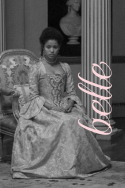
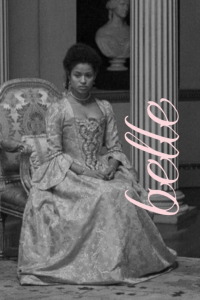
I saw this great film at a Landmark art film theater in Denver last night. It's historical fiction, drawn from a late 18th century painting of two young aristocratic women, one white, the other mulatto. Both were cousins living in the sumptuous estate of their great uncle, Lord Mansfield, the chief justice of the British Supreme Court, who ultimately ruled in 1772 on the case that eventually led to the abolition of slavery in Great Britain in 1833, a generation before it was outlawed in the United States.
Except for her appearance in the painting, the mulatto girl, Dido Elizabeth Belle, is a historical mystery, so the filmmakers were able to use wide latitude in their choice of how to tell the story. They focused on the entirely plausible possibility that Dido greatly influenced Lord Mansfield's historic legal ruling because he and Lady Mansfield raised her in the same loving way they had raised their white niece, Lady Elizabeth Murray, under their charge.
The filmmakers added the tensions of the times, when even the aristocratic ladies of Great Britain were essentually the property of their husbands, which added an extra level of irony to Dido's situation as an aristocratic mulatto woman (whose white father left her as a child with the Mansfields to serve as an officer in the British navy and to die at sea.). They also invented a romantic character, John Davinier, who was Dido's equal in passion and fierce conviction, who just happened to be the son of a poor vicar (preacher) and became Lord Mansfield's most relentless and vocal advocate for the ruling against slavery that he eventually rendered. But Davinier still wasn't a gentleman the equal of Dido in Lord Mansfield's eyes, which set up the final conflict in the film that gave it its most satisfying ending.
This review of Belle (2013) was written by Robert S on 19 May 2014.
Belle has generally received positive reviews.
Was this review helpful?