Review of Apocalypse Now (1979) by Wilman A — 14 Jan 2014
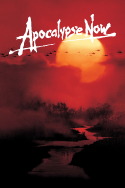
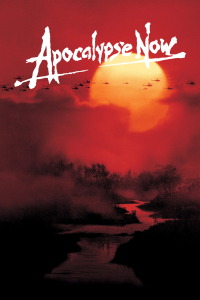
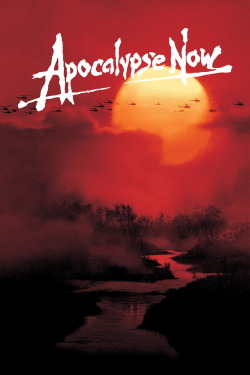
The history and production behind this film is almost just as spectacular as the film itself. Apocalypse Now is Francis Ford Coppola's Vietnam War epic that tells the story of Captain Willard on a mission to terminate Col. Kurtz command as he has become rogue and conducting operations with the locals. Kurtz has been labelled by the U.S. Forces as insane and his methods are unsound. This film does not focus on the exciting action part of the war but rather what the war does to a person. The film does have moments of epic destruction but it supports the point that Coppola is trying to make. To truly enjoy this film, you must come in with the right mindset or this film would be seen as a big disappointment.
The film is based on a novel by Joseph Conrad titled Heart of Darkness and was written for the screen by Francis Ford Coppola and John Milius. Coppola and Milius has taken Conrad's story and placed it within the Vietnam War which I thought worked. Coppola and Milius has created a screenplay that gives us a look on the horrors of war whether it's on a grand scale, like the killing of civilians, or on a personal level, Willard in his hotel room. Willard is escorted to Kurtz by a boat crew who at the start seems like normal guys in the war, just having fun and doing what they are supposed to do, but as they go further and further down the river they start to lose themselves and become more primal. The writers have not only added a straightforward story of a mission but also the disintegration of one's super-ego and has been stripped down to just the id. When they have gone past the last outpost, where every soldier seems to have gone mad, they found Kurtz. This is the point where things become less easy to tolerate as I had to watch this film at least 4 times to at least get a grasp of the point. Is Kurtz more evil or insane than any of the other soldiers napalming villages? It's really interesting how Coppola and Milius tackled this and makes us think about morality and whether or not our own super-ego is really more wiser than our own instinct.
The 1970's is a great decade for him, as all of his directorial efforts in that period were nominated for Best Picture and two of which won the Palme d'Or at Cannes. Apocalypse Now is definitely his most ambitious film as the first 3 quarters of the film just shows where most of his budget went. The napalm, ordered by Col. Kilgore, on that village was a fantastic scene and knowing that back then post production effects couldn't do something like that made the scene all the more impressive. Though this film has it's epic moments, it's the intimate scenes in the boat or at Kurtz's compound where I felt this film really shined. Too bad Coppola did not find the same acclaim in his future films, maybe except The Godfather Part 3.
The film was photographed by Vittorio Storaro who also did The Last Emperor, and his efforts here is just as important as Coppola's contributions as he is responsible for making the scenes look spectacular. Storaro's best captured moments in the film were at the big time war sequences, and as the film progresses it becomes more darker and moody. On daytime scenes, the image gives off a sunrise or sunset kind of feel to it which I think worked for the film. I like the way Brando was captured, consumed by the darkness making it feel artful.
Carmine Coppola is the composer for this film. The film's score sounds like something that came off either from A Clockwork Orange or The Shining, using some sort of synthesizer to manipulate the sound in order to create that tension in the track. I don't think it was that much of a standout but it does work. What did standout was the soundtrack, they come in full force. Moments like the helicopter scenes using Ride of the Valkyries or that scene on the boat where The Rolling Stone's 'I Can't Get No Satisfaction" was playing through Clean's radio. Coppola's score is more present as they go down the river and pop songs that were found in the first track were gone. Also this film is loud, this was one of the first films to ever have a 5.1 mix and the results are booming.
The acting is on this film is great. I especially like the subtle things that are found on the boat ride that makes the scene just a little more realistic and gives a little more personality to the characters. Willard, for the most part, doesn't try to outshine anybody but rather just keeping it simple. There is a scene though in his hotel room where you can really feel the damage of Willard and it's one of the moments that really stand out in Sheen's acting. I'm not even sure he was acting because he was an alcoholic then. Brando didn't wow me like he did in The Godfather but he was poetic and artful in his acting. He was consumed in Darkness for the most of the film so most of his acting came from his facial expression. Robert Duvall didn't have a large role in this film but when he came on, he was going all out. I preferred him here than he was in The Godfather. Dennis Hopper as the photojournalist was the one where I never really understood because it felt like his lines were improvised and was talking in code, but it was still somewhat relevant to the plot. The supporting cast were good, the moments in the boat were fantastic and that one cameo by Coppola and Storaro were hilarious.
This film is something that grew on me with multiple viewings. This is up there with my Coppola favorites and at par with The Conversation, which I think is his best work. This film is deep and doesn't try to wow you but rather have you thinking. Just try to make sure you watch this with the right mindset to truly enjoy this film.
This review of Apocalypse Now (1979) was written by Wilman A on 14 Jan 2014.
Apocalypse Now has generally received very positive reviews.
Was this review helpful?