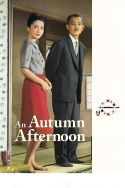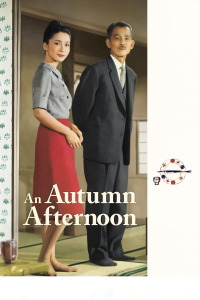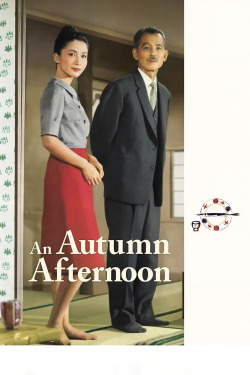
Review of An Autumn Afternoon (1962) by Brett C — 22 Nov 2014
Ozu made the same movie again and again, so it is perhaps no surprise that his final one is arguably the best of all. In "Sanma no Aji," Ozu balances all of the usual themes of his films-generation gaps, the different aspirations of men and women in Japanese society, changing attitudes toward consumerism, and the absent presence of the Pacific war in Japan's collective memory-with his exceptional finesse and customary sensitivity.
In this outing the discussions of the war are more overt than usual, though they extend no further than the drunken reminiscences of old men in a restaurant. These few, understated scenes are crucial: the war was the great break after which virtually nothing in Japan would be the same, and the rift it creates between the collective memories of the young and the old is in many ways the proximate cause of the movie's more visible and contemporary rifts: the rifts of lifestyle in Japan's postwar economic environment.
The film is best appreciated with some knowledge of its historical background, but casual fans of Japanese cinema should find much to enjoy as well. Daisuke Kato, recognizable from Kurosawa movies like "Seven Samurai," has a remarkable turn as Ryu's nostalgic drinking companion and former military subordinate.
This review of An Autumn Afternoon (1962) was written by Brett C on 22 Nov 2014.
An Autumn Afternoon has generally received very positive reviews.
Was this review helpful?