Review of Amour Fou (2014) by Richard L — 19 Jun 2015
What intrigued me about the trailer for this Austrian movie were the expressions on the actors' faces, these subtle melancholies and gentle smiles. There seemed something slightly humorous about them. The movie itself is quiet and slow and the humor arising because things are just slightly askew. The movie's power lies in how quiet each scene is, how rigid and proper, and how buried deeply beneath class and family and tradition and expressed only in quiet words and expressions are subversive musings about depression, death, and love.
A depressed poet plans to kill himself, but he wants to die with someone he loves. He plans to put a bullet into her head first and then into his own. The trouble is, most women, including his cousin who he loves, view him as an eccentric and not possibly serious. It is only after he meets a married woman who has become fascinated with his writing that he finally finds someone who just might be willing to take that last step with him.
Or not.
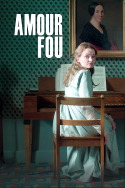
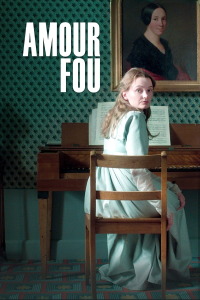
Director Jessica Hausner rarely moves her camera. Most shots resemble a tableau or still art, as the rich gather for domestic entertainments and debates about taxes and democracy. I feel in love with this technique and enjoyed how movement become apparent in these shots. For example, there is the Vogel's dog, which tends to sit very still and prettily, and von Kleist's Aunts dog, which barks in the middle of the scene and plays.
Hausner crafts many of her frames with additional frames. Mirrors, doorways, doorways within doorways, suggest, perhaps, something beyond the current room, something reflected that doesn't quite resemble the manners and proper etiquette of the Berlin aristocracy soon after the beginning of the 19th Century.
The poet Heinrich von Kleist (Christian Friedel) has only one primary, depressed expression, but it is flexible enough to show disappointment and hope. Birte Schöink as Henriette Vogel is wonderful as the loyal wife who in terminal sickness finds the possibility of escape from a life she no longer recognizes. The two main characters-the poet and the married woman-go back and forth about what it is they want, which provides the primary tension in the film, leading to a quiet but wrought ending and the suggestion of a misunderstanding. It is all very lovely and depressing.
It is unclear to me how closely this movie follows the history of what happened to these people. Wikipedia suggests a slightly different history than dramatized here. The movie, though, has several ambiguities that are fascinating to ponder.
From a whim that I might like the movie from its trailer, I now adore the movie and especially the director's crafting of it. Highly recommended!
This review of Amour Fou (2014) was written by Richard L on 19 Jun 2015.
Amour Fou has generally received positive reviews.
Was this review helpful?