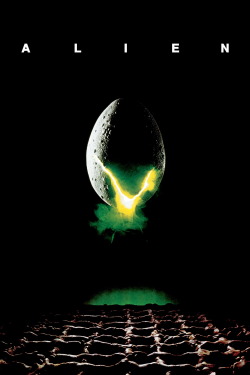
Review of Alien (1979) by Cinemasins — 08 May 2015
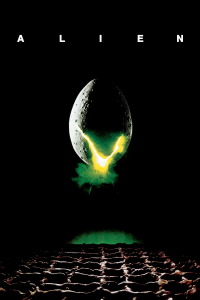
When Alien was first released during the summer movie season of 1979, science fiction films were all the rage. The trend had been started two years earlier with the unexpected box office success of Star Wars, and, by 1979, anything even remotely connected with space and/or aliens was guaranteed to raise some interest. Two highly anticipated efforts - the big-screen debut of Star Trek (Star Trek: The Motion Picture) and the Star Wars sequel (The Empire Strikes Back) - both of which were within a year of their opening dates, further invigorated the atmosphere. It was into this climate that Alien was unleashed upon the general public.
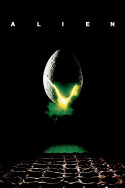
The film's memorable tag line, "In space, no one can hear you scream", promised a far different experience than the popcorn entertainment of Star Wars or the kinder, gentler saga of Close Encounters of the Third Kind. In fact, Alien was as much horror as it was science fiction. In fact, one could make a convincing argument that there is more synergy between this picture and John Carpenter's Halloween than between Alien and any of the other umpteen sci-fi movies invading movie theaters at the time. Alien is about shocks and chills and thrills, not space battles. Where Star Wars has light sabers and blasters, Alien has intense atmosphere.
In many ways, Alien was the first of a kind. True - it wasn't the first space movie to feature a homicidal monster, nor was it the first time a group of characters were hunted down one-by-one in dark, dank spaces. However, this "haunted house in space" film was one of the first to effectively cross-pollinate these two genres. Alien became the blueprint for dozens of rip-offs and three sequels. With one exception (James Cameron's superior Aliens, which substituted all-out action for creepy horror), none has come close to what the filmmakers attained with the 1979 feature.
The director of Alien is British-born Ridley Scott, who was stepping behind the camera for only the second time (his feature debut was 1977's The Duellists). Along with 1982's Blade Runner, Alien cemented Scott as a filmmaker of great promise and ability. These days, whenever the director releases a new film, reviewers will inevitably mention Alien, Blade Runner, or both somewhere within the text of their write-up.
In addition to blending graphic horror with science fiction, Alien has another distinction - it is one of the first films to feature a female action hero. Even today, on those rare occasions when a woman takes the lead in an action/adventure movie, she is typically measured up to Sigourney Weaver's Ellen Ripley. In actuality, much of Ripley's reputation is based on events in Aliens, where she strikes back against the creatures with a vengeance. In Alien, Ripley is essentially just one of several crew members - until the end, when she's the last one standing (not counting Jones the cat). Having Ripley as the hero of Alien is an interesting twist. In 1979, viewers automatically expected that role to be filled by Tom Skerritt - not only because he had top billing, but because he is a man.
Many so-called "Director's Cuts" are significant re-workings of their theatrical siblings. This is not the case with Alien. The most important features of this "new" version are the digital cleaning of the print and the re-mastering of the sound. There are a few added scenes, but they are mostly insignificant and have been previously seen (at least by fans of the movie) on the laserdisc or DVD releases. The best thing about having this movie available 24 years after it first reached theaters is that it gives a new generation of film-goers a chance to experience it on the big screen. And, despite the passage of a quarter of a century, Alien has lost none of its punch. I can't think of a better way to spend a Halloween night.
This review of Alien (1979) was written by Cinemasins on 08 May 2015.
Alien has generally received very positive reviews.
Was this review helpful?