Review of After Innocence (2005) by Kat C — 15 Jan 2006
October 21, 2005 (New York).
January 13, 2006 (Los Angeles).
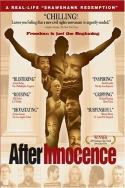
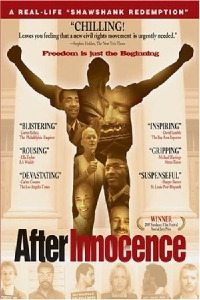
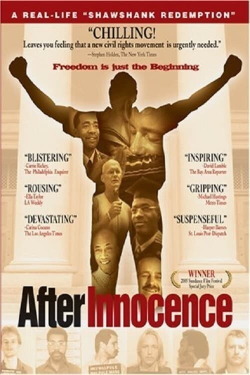
[size=5][color=darkred][b]"A[/b][/color][/size]fter Innocece" opens with a stunning piece of information: 150 wrongfully convicted criminals have now been exonerated due to newly released DNA evidence. Combine that number with the hundreds of letters the Innocence Project receives from prisoners asking for help through DNA testing. It's overwhelming.
Jessica Sanders' fascinating documentary abruptly examines some of the holes found within the criminal justice system, or lack thereof. By listening to and watching the innocents' stories, we're brought into a life only imaginable. We don't envy their lives, but are inspired by the way they live them.
Already a winner of multiple film honors, including the Special Jury Prize at Sundance and the Content+Intent=Change Award at the Full Frame Documentary Film Festival, "After Innocence" is gradually making its way around the country and will start airing on the SHOWTIME network in 2006. It's an essential and uncommonly riveting film because it stimulates the mind and emotions. Most fictional narrative films try to accomplish the same thing but often find themselves at a distance. Audiences realize fiction's mostly for entertainment. Documentaries, however, invite viewers to experience the lives of its subjects. After the wonderful "Murderball," about paraplegic rugby players, and "After Innocence," 2005 has produced two of the best documentaries in recent memory.
Sanders introduces us to eight innocent men, each with their own tragic and unique story. Most were arrested after a case of mistaken identity. I recently watched Hitchcock's "The Wrong Man" with Henry Fonda as a man who's arrested for looking like a robbery suspect. Hitchcock didn't make his usual cameo, but instead opened the film with a disclaimer saying the following events actually happened to someone. He felt he couldn't disrespect the real-life individual by having fun with the narrative. "The Wrong Man" was haunting because the point of view mirrored the titular character's fear and anxiety, showing how marching up prison staircases can be horrifying in and of itself. Hitchcock was uncompromising in his approach, but Sanders goes even further.
Consider Vincent Moto, who was confronted by a woman and accused of rape. Moto believed he could settle the situation by complying and telling the police it was a mistake. He served 10 and half years in prison as a result and is currently without full-time employment. Or how about Nick Yarris, an outspoken exoneree and former Death Row inmate. He lost 23 years after one of the shortest murder trials in Pennsylvania history. Everyday is a constant reminder of his 8,057 days in prison, which he advertises on the back of his jeep.
The exonerees seem to want to quickly point the finger at police, believing their lack of protocol for collecting evidence and re-visiting the scene of the crime unjustly put them away. It's ironic, then, that Scott Hornoff, a police detective in Warwick, Rhode Island, was convicted of first degree murder. He served six and half years until November of 2002 when the real murderer came forward. At the murder house, he points out how police never bothered to check for footprints and match them up to his own.
A progressing story throughout the film is the impending trial of Wilton Dedge, the first Florida inmate to seek post-conviction DNA testing. Evidence and expert testimony have already proved Dedge's innocence but the state prosecutors gained another two years for a technicality based on paper filing and proper court procedurals. But the film doesn't portray the prosecutors as malevolent egotists. In fact, it's understandable how somebody like Dedge would fit the bill as a criminal based on looks. Understandable, yes. Justifiable, no.
For all the grief, anger and frustration they bear, the exonerated men's comebacks is as inspirational as any moment ever captured on film. The most amazing comes when Ronald Cotton reunites with his rape-accuser. Jennifer Thompson-Canino worked with a police sketch artist, who drew a man that resembled Cotton. "You became my rapist," she says. "I couldn't even picture that other man. You were him." When the real rapist boasted about his own actions, Cotton sought DNA testing and was exonerated after 11 years in prison. It's almost unbelievable that Cotton and Thompson-Canino now work together and speak about the dangers of eyewitness identification.
What's perplexing about the criminal justice system, we're told, is that if a convicted man makes parole, he's entitled to health care and job opportunities. But if a wrongly convicted man is exonerated, he's left with nothing to get started with on the outside. Yarris mentions, "I was given $5.37 and let loose." But these men have taught themselves to channel their anger and resentment. They're working towards change. Hornoff actively sought reinstatement rights and backpay in the Supreme Court. Others, like Moto, want their criminal records expunged but don't have the necessary funds.
"After Innocence" is the kind of film that can go on and on. It's introspective and urges viewers to question the system. There were two moments when tears came out of my eyes. But they weren't for sad reasons. There could easily be a sequel to this film with new people. And even though these men's stories are rich, sympathetic and heartrending, they're also just the tip of the iceberg.
This review of After Innocence (2005) was written by Kat C on 15 Jan 2006.
After Innocence has generally received positive reviews.
Was this review helpful?