Review of A Streetcar Named Desire (1951) by Mike H — 25 Jan 2009
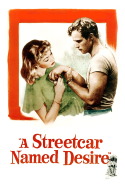
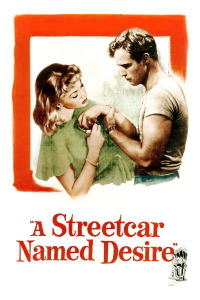
The most fascinating part of watching this film was seeing an "older" Vivien Leigh, 12 years after Scarlett O'Hara, and seeing a "younger" Marlon Brando, on the cusp of his rising fame. Blanche DuBois is not a terribly far cry from Scarlett â?? at first. When she descends into her more frequent bouts of intoxication and slowly begins to acknowledge the grisly and harsh elements of her reality, however, Blanche's many layers surface, and she becomes quite a complex character study, focusing on the effects of grief and possible triggers for mental illness. Leigh gave a great performance, though, on more than one occasion, she seemed to channel Scarlett and her best temper tantrums through some of Blanche's more melodramatic meltdowns. On the other hand, Marlon Brando was outstanding as Stanley. He seemed to really zero in on the most visceral aspects of the character to create someone who could literally veer like a pendulum from cuddly though passionate, even animalistic (and sexy) teddy bear to villainous abuser in a lightning-quick way. His performance truly accentuated the character's complexities.
Elia Kazan and his cinematographers tended to zoom in on Blanche when she was struggling through reality and illusion. To Leigh's credit, she was always able to change her facial expressions in such a palpable way that, even if her voice didn't quite match the look, the look said it all, and Kazan maximized Leigh's performance through the use of the camera. Yet, wider shots of the apartment served to contrast Blanche's imaginary world of her past with the reality of her present and how her presence would truly be imposing on the Kowalskis.
The score was also amazing. Apparently, it marks one of the first examples of non-melodramatic, non-traditional, non-orchestral score, with its jazz-infused themes that were meant to accentuate the psychological state of each character rather than dramatize the events of the scene. While the art direction and lighting were also very good, the score defines the film's very texture.
Still, the pacing is quite choppy. Additionally, it was bothersome that no one besides Blanche had a Southern accent, and even if Stanley wasn't from around New Orleans originally, Stella and Blanche were sisters, but Kim Hunter never really effected much of a Southern twang. Also, various oversight boards of the day censored some of the material in the transfer from play to screen in an effort to keep the film "decent," and the film lost something when that happened. Still, A Streetcar Named Desire contains a well-told story with an amazing ensemble of actors, and it's definitely worth the watch.
This review of A Streetcar Named Desire (1951) was written by Mike H on 25 Jan 2009.
A Streetcar Named Desire has generally received very positive reviews.
Was this review helpful?