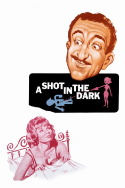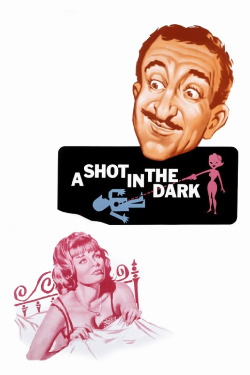
Review of A Shot in the Dark (1964) by Paul Z — 02 Nov 2010
A gliding steadicam on the outside of a château, closely modeled on the French films of Max Ophuls, displays the graceful choreography of Blake Edwards' travesty and gives you the sight of George Sanders tiptoeing through a garden as well. Vociferously scored by the laggato of Henry Mancini's glossy, protracted Shadows of Paris, a farce unfolds in a labyrinthine apartment complex to which we are voyeuristically privy, an slick somberness to a MacGuffin-loaded set piece of step design. Bearing in mind Edwards got his start in TV, his movies are surprisingly disobliging to the vagaries of pan-and-scan. Not that that's bad. Other directors who moved to the big screen from the small share this trait, like Lumet an Frankenheimer.
Abandoned was the missus and supplemented were counterparts Kato and Commissioner Dreyfus, Clouseau's long-tormented covert martial arts trainer and his murderous captain, in that order, although writer Harry Kurnitz can't take credit for any of these novelties, only for setting the groundwork on which absurdist sketches and outlines could prosper.
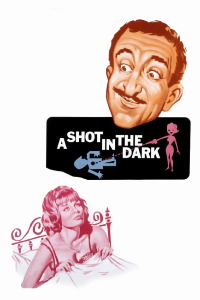
This sharp, enjoyable mystery comedy mingling slapstick, more refined humor, depression and disparagement of humanity is still a plodding affair. As Clouseau investigates the murder of a limo driver, he falls for the biggest suspect, Bardot clone Elke Sommer, and repeatedly lands both of them in hot water trying to establish her patsy status. While a few of these set-pieces are masterstrokes on Sellers' part, at least one---Clouseau gaining access to a nudist colony---has too encumbered a set-up to reimburse our anticipation; such is the price of having a comic standing that goes before you.
Inspector Clouseau, second banana in The Pink Panther, is given center stage to plummet out of windows and assert his perversely quasi-Buddhist view: "I believe everything, and I believe nothing." It is this ridiculous candidness which drives him on a mission against common sense, the foolish conviction about the innocence of a maid found with smoking gun in her hand and corpse at her feet. Edwards seized the adaptation of the Kurnitz play and, notwithstanding the lack of precious jewel and animated feline, made it, with future Exorcist writer William Peter Blatty of all people, the Pink Panther installment in which all that's commonly expected of a Pink Panther movie converges in those very proportions: Clouseau's opaque personal poise in a widescreen world of inborn anarchy, the unexpected karate exercises with Kato, and the eye twitch that overwhelms Herbert Lom's laugh-out-loud police commissioner Dreyfus as he's driven into madness by his self-astonished hatred of Clouseau.
Henry Mancini's score functions to its most humorous capacity when played by the band at the nudist camp, which lightly recalls the campy low-budget sexploitation of the era and supplies the capper for the recurring joke of the police van, zipping time after time across the screen whenever Clouseau makes an attempt to further his investigation. Regardless of the continental suavity, this is a most brutal piece, the conclusion of a period as comic classicism speared by the jaded humor of the new generation. A Hitchcock climax is repeated thrice, each time with some innocent bystanders getting offed while the hero lurches on placidly. Its being the result of innumerable incarnations and contrivances is the capping irony of its status as the best of the Pink Panther films.
This review of A Shot in the Dark (1964) was written by Paul Z on 02 Nov 2010.
A Shot in the Dark has generally received very positive reviews.
Was this review helpful?