Review of 20th Century Women (2016) by Nate F — 22 Jan 2017
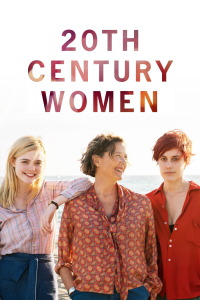
The flavor of feminism in 20CW is a blend of two generations. Dorothea (Annette Bening), born in the 1920s, must adapt her sense of individualism and adventure to a sexual revolution of female orgasms, menstruation, and women's health. She doesn't need a man to raise her son, but she's not a progressive champion for equal rights, either. Dorothea keeps private things private and refuses to deep-dive into therapeutic exercises or discussions.
"My Mom is from the Depression," Jamie explains to Abbie (Greta Gerwig), a boarder in his mother's sprawling house. _DSC1083.NEFDorothea's hero is Amelia Earheart and her personality is charged with the free-spirited energy of Kate Hepburn. But her aspirations to become a pilot are grounded so she takes up technical drafting, marries, has a son, and becomes a single parent - never to have a serious relationship again. Dorothea is a charming survivor. She looks defeated in her role as a mother, yet inspired by a new era of womanhood. It's not surprising when she asks Abbie, as well as Jamie's crush, Julie (Elle Fanning), to help her son become a man.
20cw_julieThe result isn't the trite male fantasy some of you may have just imagined. Abbie becomes the fun, insightful 20-something sister who responds to Jamie because he's already become the kind of good man his mother fails to see. Julie, on the other hand, continues to use Jamie as her asexual emotional doormat - a relationship he eventually redefines.
Not included in Dorothea's invitation to help her son grow and mature is William (Billy Crudup), another boarder who is, perhaps, the film's unsung hero. He is the most dependable and caring person in the house, constantly repairing plaster and woodwork, fixing cars, and coming to the rescue in times of emergency. Some 20CW reviewers typify William as a "lost soul" but I would argue that he responds to others' needs in a way that, lacking his presence, would empty the heart of Dorothea's home and leave it chaotic and lonely. William's sensitive, Giaia-Earth worldview would be gag-worthy if not for his palpable sense of loss and loneliness, combined with his manly roles as a sexual healer, faithful companion, and constant DIYer. But William isn't the kind of man Dorothea wants Jamie to become. "They have nothing in common," she explains to Abbie and Julie. And it's clear later on that Dorothea isn't into William's spirituality. When he tries to teach her meditation, she emasculates his Lotus position with an exasperated eye-roll and a lunge for a pack of Salem cigarettes. william-20cw.
So what's left for Dorothea now that she's outsourced child-rearing to two Sexual Revolution generation feminists? She doesn't seem to realize she's losing her son while attempting to adapt to a new world of punk music and dinner table discussions about Abbie's and Julie's periods. She spends a lot of time looking more like the "lost soul" archetype other reviewers have pinned to William. Dorothea doesn't share her deepest thoughts - she exhales them with sighs of menthol smoke. She accepts the changing world around her but appears baffled by it. And all the while, Jamie holds her accountable for letting him go. He knows he can make it on his own, but his mother remains a distant enigma no matter how charismatic she may be.
Annette Bening's performance is stellar in the portrayal of the complex, intelligent, independent single mother who Mills still seems to struggle to understand. In his epilogue, Jamie (Mills' persona) says, "I want to tell my children about their grandmother, but I know it's impossible.".
Who among us doesn't feel the same way? Who among us can fully comprehend the most important woman in our lives, no matter what century we live in?
This review of 20th Century Women (2016) was written by Nate F on 22 Jan 2017.
20th Century Women has generally received very positive reviews.
Was this review helpful?